Should we swap presents for presence this year?


It’s that time again.
End-of-year wrap-ups everywhere you look. The same twelve songs on repeat. And for many, that fuzzy warm feeling inside.
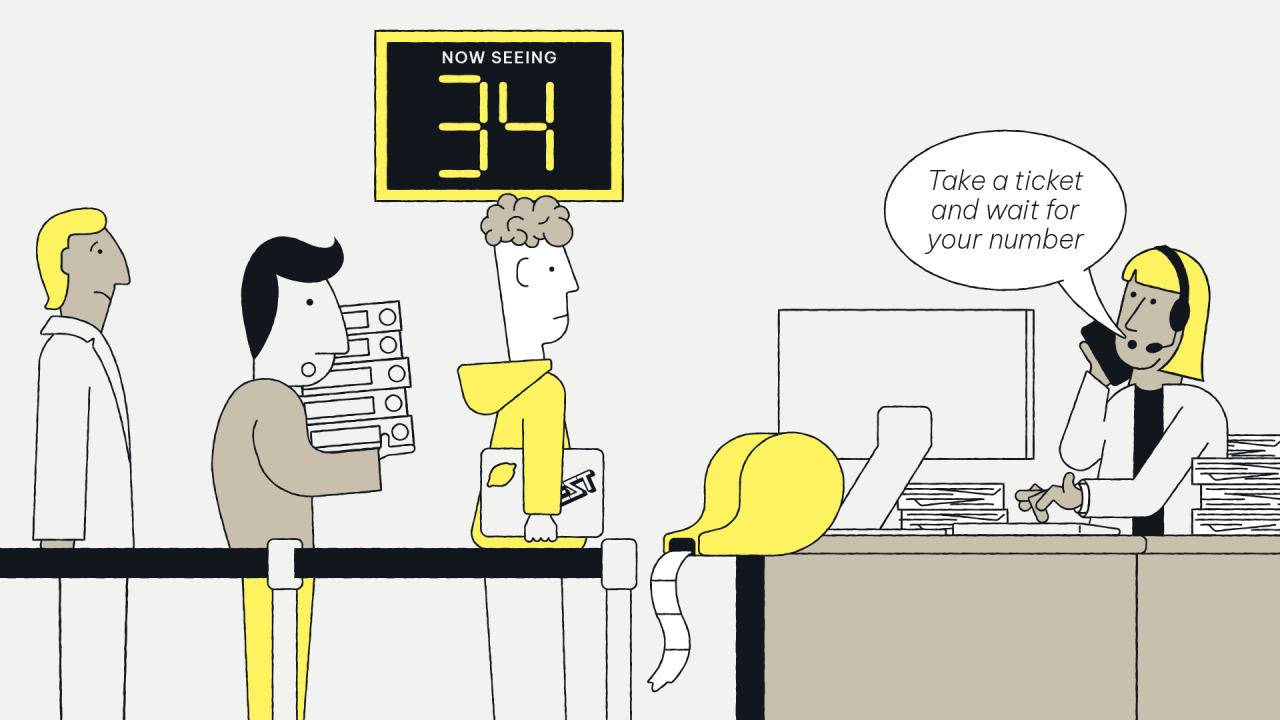
But with two-thirds of workers saying they regularly feel lonely at work, what can be done to make sure no one gets left out in the cold?
We spoke with Lana Delic, I/O Psychologist at EZRA, to explore why genuine connection at work matters, and how we can nurture it.
Wired for connection
“Humans are social beings by nature, with a need to feel like we belong,” says Lana.
We’re quite literally built for it. The same brain regions light up for social pain as they do for physical pain. It’s why rejection can feel like a straight-up gut punch.
“From an evolutionary standpoint, connection was crucial for survival and I think this still holds true today,” Lana adds.
Our work patterns may have changed, but our fundamental human needs haven’t. Connection is our protection. And without it, we can’t feel psychologically safe.
Open to connect
Even though connection at work is a big deal, the gestures that spark it don’t have to be.
Say yes to small invitations
Sometimes, it starts with a simple “yes.”
“The more you show up, the more opportunities you have to build connections,” Lana points out.
So, join that book club. Swing by the run club. Jump in that Slack thread. Because one little ‘yes’ can quickly snowball, and before you know it, you’ll be absolutely sleighing it with your work connections.
Don’t wait, initiate
Whether it’s fear of a frosty reception, sheer awkwardness, or some good old-fashioned overthinking, “Most people wait for others to take the first step,” says Lana. “But sometimes we have to create the opportunities.”
Chances are, your colleague wants to connect just as much — they’re simply waiting for someone to break the ice.
Be present
Connection isn’t just about turning up physically, though; it’s about tuning in mentally, too.
“Being present is all about being fully attentive,” says Lana. “This will make the person you are engaging with feel heard and respected.”
That’s a gift anyone can get on board with.
Show up as your real self
And don’t forget to be your true self.
“The more authentic we are, the more raw and real our connections will be,” Lana tells us.
You don’t need ornaments to light up the room. Just bold, unapologetic you.
The role of organizations
A good team culture sets the stage for connection, shaping how employees interact, build trust, and feel they belong.
Communicate openly and often
Great communication isn’t just for couples counselling, it’s the bedrock of belonging at work. And it starts at the top of the tree.
“Open communication and transparency build trust and make leaders feel more relatable,” Lana points out.
Think leader check-ins, AMA sessions, and anything that shrinks the distance — emotional or digital.
Create informal spaces for real connection
Not every planned interaction needs a meeting link, either.
Lana advises organizations to “Provide opportunities for employees to socialize and connect informally.”
Even just switching chair-and-stares to walk-and-talks can help things feel that little bit more human.
Encourage teamwork and cross-functional projects
Nothing builds belonging faster than working on something meaningful together, though.
“The key is to create opportunities for employees to connect through collaboration and teamwork,” Lana tells us.
Before you panic, that doesn’t have to mean forced fun. It can simply mean what Lana suggests: “multi-functional project teams, mentorship schemes, and knowledge sharing seminars.”
The gift of connection
“We aren’t built to do life alone,” Lana stresses.
In Bantu cultures, this idea is known as Ubuntu: I am because we are. That spirit of interconnectedness is “…what makes us human.” It’s crucial to our emotional well-being. And it’s the foundation of engagement at work, too.
So maybe this year, we step a little bit away from the pressure of presents and lean into the power of presence — it could be the greatest gift we give.